Modular Kitchen Layouts Explained: Pros, Cons & How to Choose
Selecting the right modular kitchen layout is one of the most important decisions in kitchen design. The layout determines workflow efficiency, storage capacity, and overall comfort. Modern modular kitchen systems are designed to maximize space utilization while offering flexibility in design, materials, and functionality. Whether you are planning a compact apartment kitchen or a spacious open-plan layout, understanding different kitchen configurations will help you choose the most practical solution.
Here is a detailed guide to popular kitchen layout ideas, including their advantages, disadvantages, and suitability.
L-Shape Kitchen Layout
The L-shaped kitchen is one of the most popular modular kitchen designs, especially for small to medium-sized homes. This layout utilizes two adjoining walls to create a natural work triangle.
Pros:
- Efficient use of corner space
- Smooth workflow between sink, stove, and refrigerator
- Open layout that integrates well with dining areas
Cons:
- Corner cabinets may require smart storage solutions
- Limited counter space in very compact kitchens
This layout works well for open-plan homes and is frequently searched under small modular kitchen design and L-shape kitchen ideas.
U-Shape Kitchen Layout
The U-shaped kitchen design features cabinetry along three walls, offering maximum storage and counter space. It is ideal for larger kitchens or homeowners who cook frequently.
Pros:
- Ample countertop workspace
- Clearly defined cooking, prep, and cleaning zones
- High storage capacity
Cons:
- Requires sufficient floor space
- Can feel enclosed without proper lighting
U-shaped layouts are highly functional and ideal for families seeking efficient kitchen ergonomics.
Galley Kitchen Layout
Also known as a parallel kitchen, the galley kitchen layout consists of two parallel countertops with a walkway in between. It is commonly used in apartments and compact homes.
Pros:
- Highly efficient workflow
- Excellent for narrow spaces
- Maximizes limited square footage
Cons:
- Can feel tight if walkway space is insufficient
- Limited room for social interaction
This layout ranks well for keywords such as space-saving kitchen layout and parallel modular kitchen design.
Island Kitchen Layout
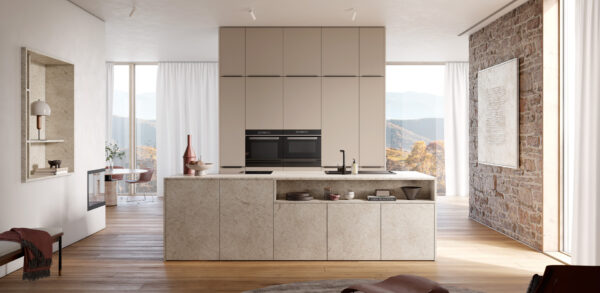
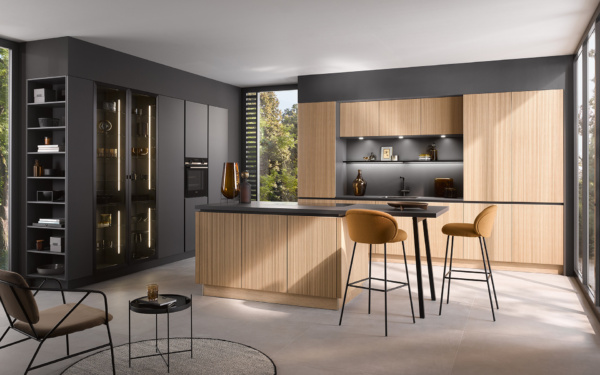
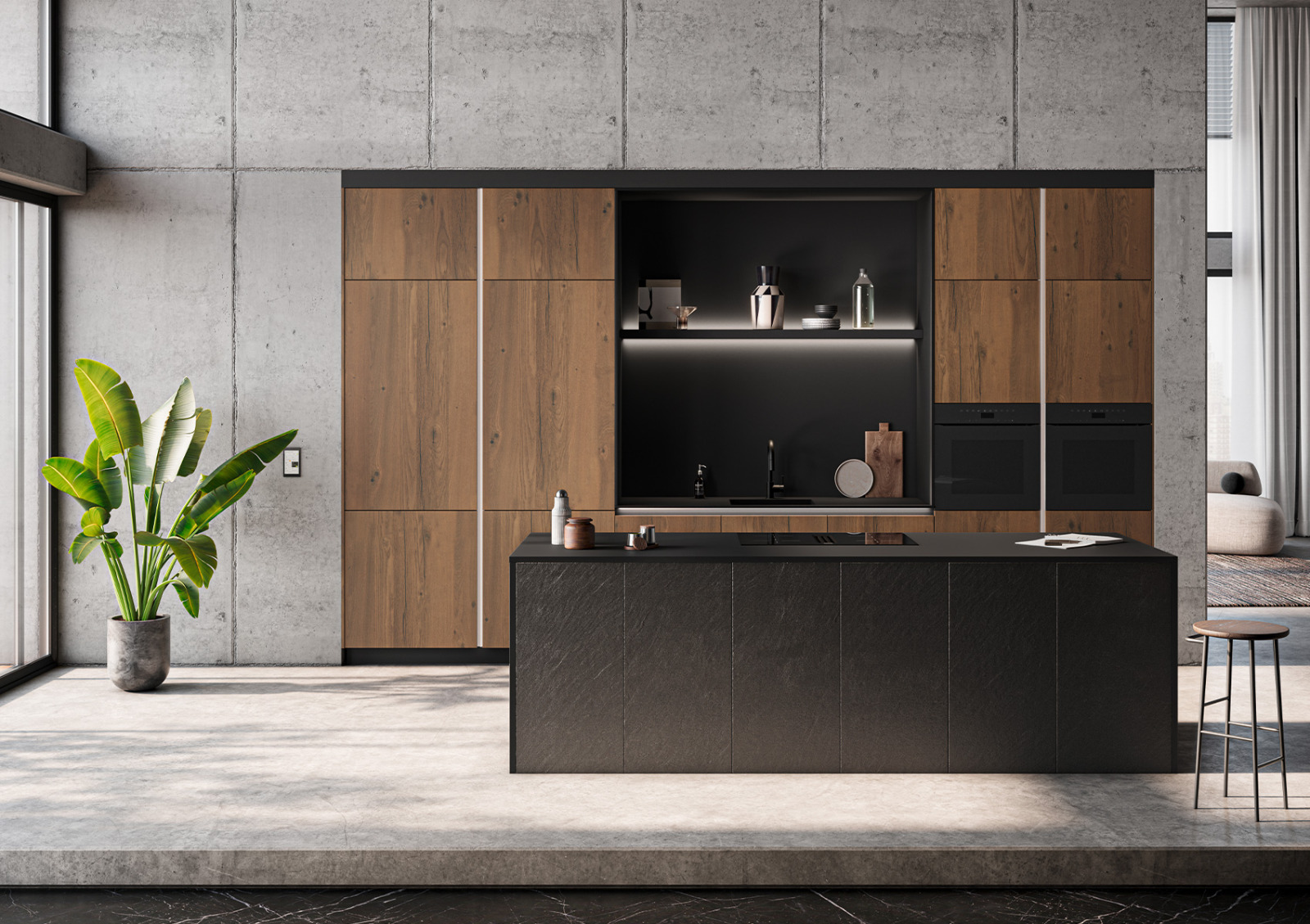
The island kitchen incorporates a central countertop unit that can serve as a prep station, breakfast bar, or additional storage area. It is increasingly popular in luxury kitchen design.
Pros:
- Encourages social interaction
- Provides additional storage and seating
- Enhances open-concept kitchen design
Cons:
- Requires a larger floor area
- Needs careful electrical and ventilation planning
Island kitchens are ideal for entertaining and modern lifestyle homes.
Workflow & Kitchen Ergonomics
Regardless of layout, the kitchen work triangle remains a foundational design principle. This concept positions the sink, stove, and refrigerator within optimal distance to reduce unnecessary movement. Efficient kitchen ergonomics improve cooking comfort and productivity.
Proper spacing between countertops, appliance placement, and storage zones ensures a functional modular kitchen design.
Space Optimization Tips for Modular Kitchens
To maximize storage and efficiency:
- Use vertical storage cabinets up to ceiling height
- Install pull-out drawers and corner carousel units
- Choose tall pantry units for organized food storage
- Integrate built-in appliances to save counter space
Smart storage solutions significantly enhance usability in both small and large kitchens.
How to Choose the Right Layout
The best modular kitchen layout balances space constraints, cooking habits, and lifestyle requirements. Consider available floor area, storage needs, and whether the kitchen is primarily for daily family use or entertaining guests.
By understanding the pros and cons of each layout, homeowners can create a functional, aesthetically pleasing, and highly efficient modern kitchen tailored to their needs.