The Future of Kitchen Design: Trends Shaping 2026 and Beyond
Kitchen design continues to evolve as homeowners place greater emphasis on functionality, sustainability, and personalized living. In 2026, kitchens are expected to become even more intelligent, adaptable, and seamlessly integrated into the home. From smart technology and sustainable materials to refined finishes and biophilic design, today’s kitchens are being engineered to enhance both everyday living and long-term value.
Here are the key kitchen design trends shaping 2026 and beyond.
Minimalism Meets Character
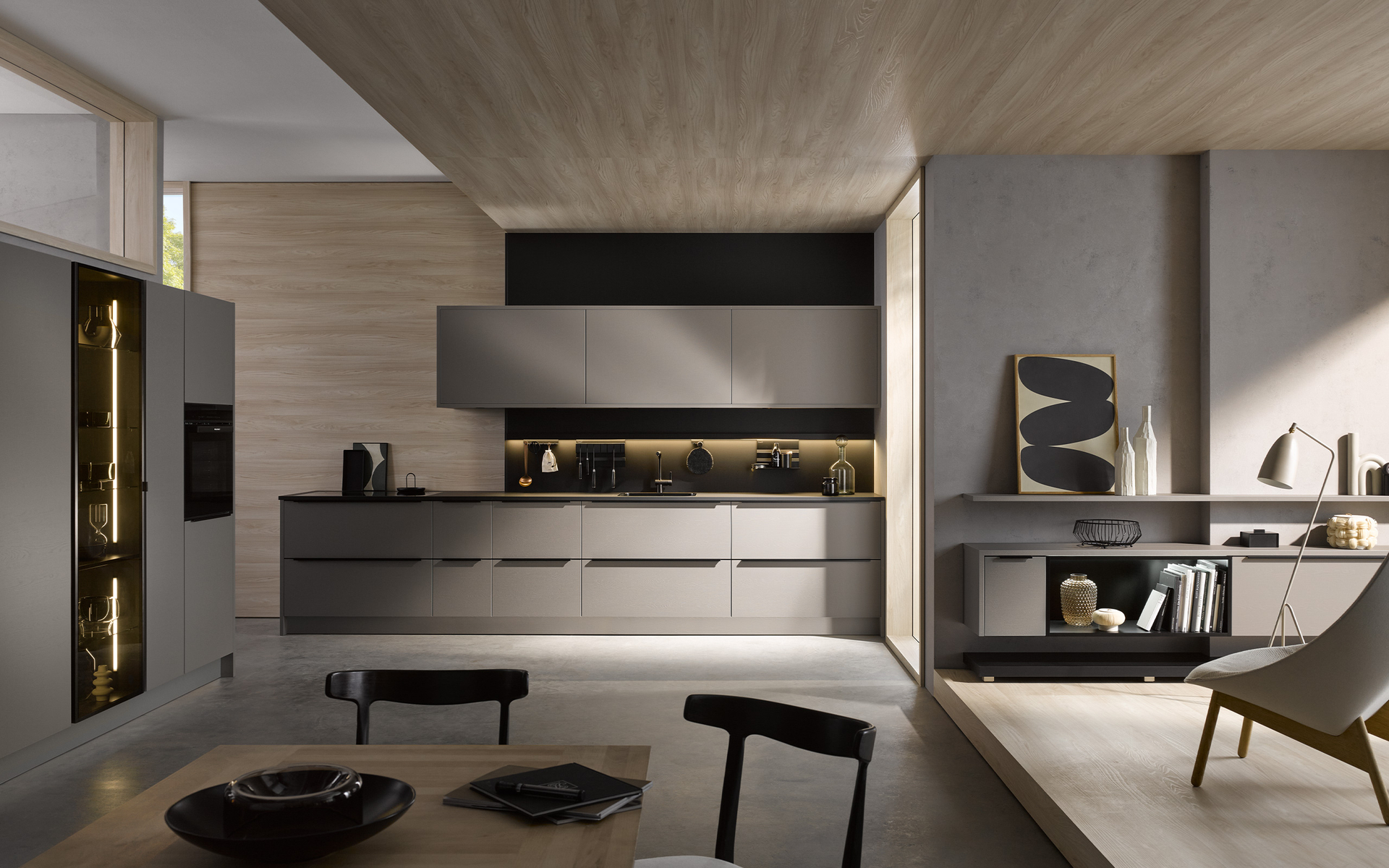
Minimalist kitchen design continues to define contemporary interiors through handleless cabinetry, seamless storage, integrated appliances, and clean architectural lines. These elements create calm, uncluttered spaces that remain timeless in both appearance and functionality.
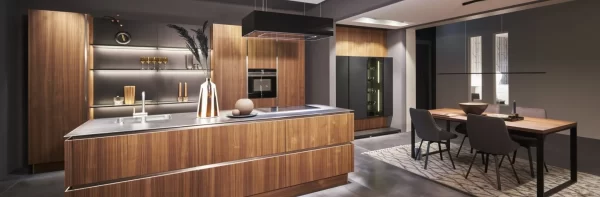
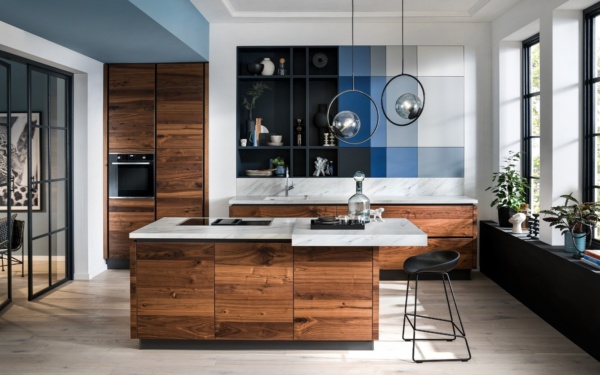
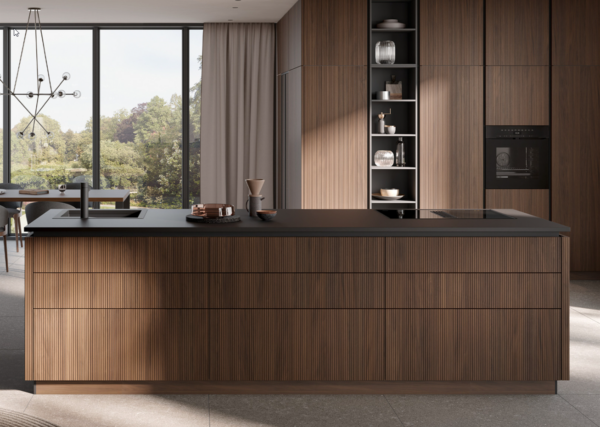
At the same time, homeowners are embracing carefully selected design features that introduce warmth and personality. Bold veined quartz worktops, fluted cabinetry, textured splashbacks, metallic accents, and rich wood finishes are increasingly being used to complement minimalist layouts rather than compete with them.
The result is a balanced approach that combines clean design with expressive materials to create kitchens that are both sophisticated and welcoming.
Biophilic Kitchen Design
Biophilic design continues to influence modern kitchen interiors by incorporating natural materials and elements that create healthier, more calming living environments. As homeowners place greater value on wellbeing, this design approach is becoming increasingly popular.
Common biophilic features include:
- Natural wood cabinetry and veneer finishes
- Stone or sintered stone worktops
- Indoor herb gardens and integrated plant shelving
- Large windows that maximize natural light
These elements help create kitchens that feel connected to nature while maintaining the performance and functionality expected of modern living.
Smart Kitchens and Integrated Technology
Smart technology is becoming an increasingly important feature in premium kitchen design. Connected appliances and integrated systems allow homeowners to control key kitchen functions remotely while improving convenience, efficiency, and everyday usability.
Key innovations include:
- Remote-controlled ovens and induction cooktops
- Smart refrigerators with inventory management features
- Motion-sensor lighting
- Energy-monitoring systems
Rather than dominating the design, technology is increasingly integrated discreetly into cabinetry and appliances, maintaining the clean, streamlined appearance of contemporary kitchens.
Colour Trends and Contemporary Finishes
While white kitchens remain timeless, homeowners are increasingly embracing warmer, more expressive colour palettes that add depth and character to the home.
Popular colour trends for 2026 include:
- Earthy sage greens
- Muted terracotta tones
- Deep navy cabinetry
- Warm greys and taupe finishes
Matte surfaces, anti-fingerprint laminates, and textured finishes continue to grow in popularity, offering refined aesthetics while remaining practical for everyday use.
Sustainable Materials and Responsible Design
Sustainability remains one of the defining trends in modern kitchen design. Homeowners are increasingly considering the environmental impact of the materials and products they choose, driving demand for responsibly manufactured kitchens built to last.
Key trends include:
- Responsibly sourced timber and recycled materials
- Low-VOC paints and finishes
- Durable quartz, ceramic, and sintered stone worktops
- Lower-emission manufacturing and environmentally responsible production processes
Choosing high-quality, long-lasting materials not only reduces waste but also supports a more sustainable approach to home design while delivering lasting value.
Designed for the Future
Modern kitchens are being designed with greater emphasis on flexibility, longevity, and adaptability. Homeowners increasingly want kitchens that can evolve alongside changing lifestyles without compromising functionality or aesthetics.
This shift has led to greater demand for modular kitchen systems that combine intelligent storage, integrated technology, premium materials, and timeless design principles. Rather than following short-term trends, the focus is on creating spaces that remain relevant and functional for many years.
The Kitchen of Tomorrow
The kitchens of tomorrow will combine intelligent technology, sustainable design, premium materials, and timeless aesthetics to create spaces that are both beautiful and highly functional. As homeowners continue to prioritize quality, efficiency, and wellbeing, kitchen design will increasingly focus on long-term performance rather than short-lived trends.
These evolving priorities are reflected in premium kitchen manufacturers such as Häcker, where precision engineering, intelligent storage, sustainable manufacturing, and refined design come together to create kitchens built for modern living.
Whether designing a contemporary apartment or a luxury family home, the future of kitchen design is centered on creating spaces that enhance the way we cook, live, and connect every day.