How to Plan Storage in a Modular Kitchen (Without Wasting Space)
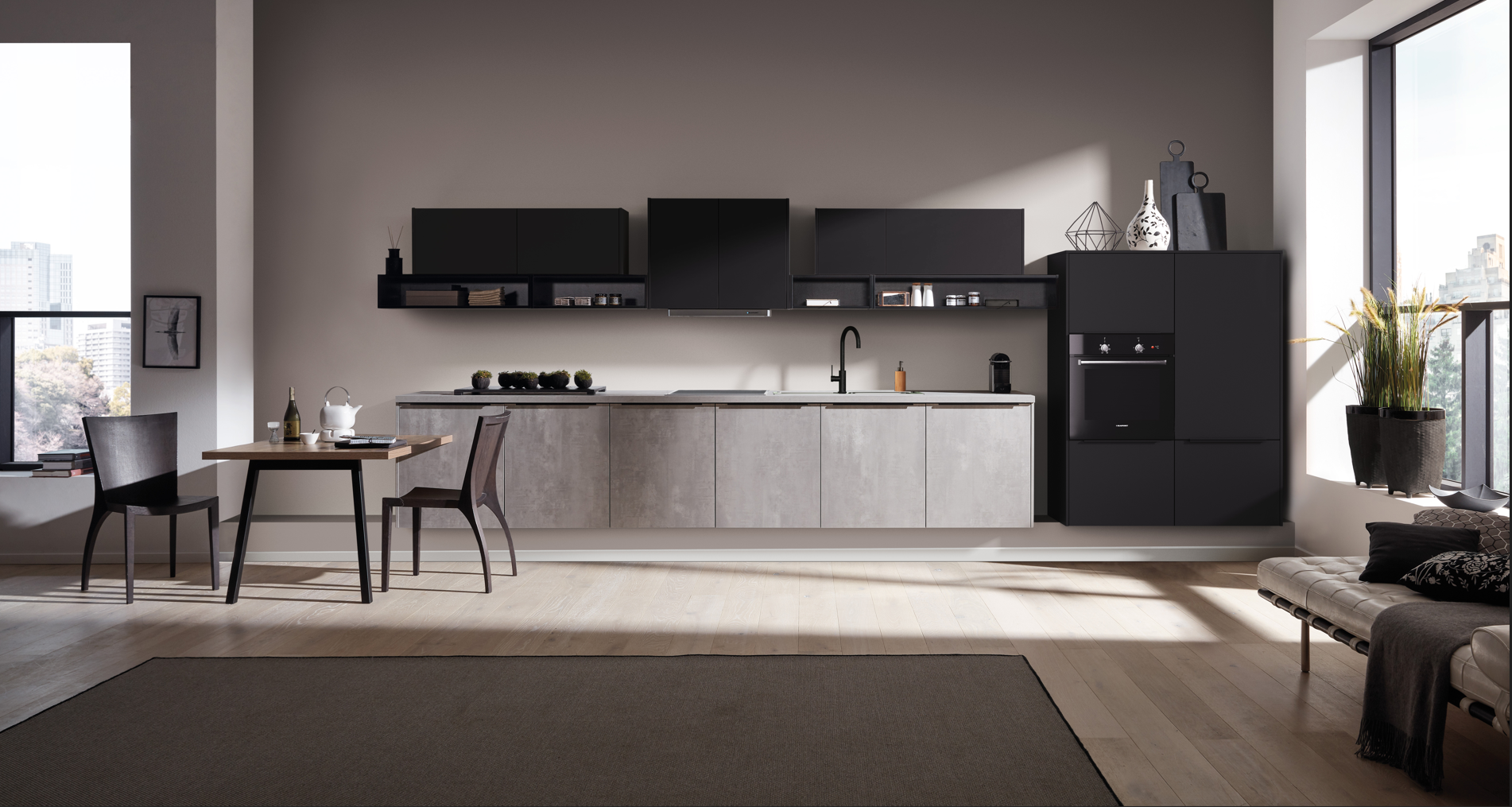
An efficiently designed kitchen is defined not only by its aesthetics but by how intelligently its storage is planned. A well-structured kitchen improves daily usability, reduces clutter, and ensures every available space is used effectively.
Modern kitchens require thoughtful storage planning that prioritizes accessibility, workflow, and long-term usability rather than simply increasing the number of cabinets.
Why Kitchen Storage Planning Matters
Poorly planned storage leads to inefficient use of space and reduced functionality. Even well designed kitchens can feel impractical if storage systems are not carefully considered.
Common challenges include:
- Underutilized or inaccessible cabinet areas
- Inefficient use of vertical space
- Poor organization of cooking and cleaning zones
- Unnecessary movement between work areas
A well-planned storage system resolves these challenges by aligning design with everyday kitchen usage.
Start with an Efficient Kitchen Layout
Before selecting storage elements, the overall kitchen layout should be designed to support smooth movement and logical zoning.
Key principles include:
- Keeping frequently used items close to cooking and preparation zones
- Separating storage into cooking, cleaning, and pantry categories
- Reducing unnecessary movement between key work areas
A strong layout forms the foundation for an efficient and functional storage system.
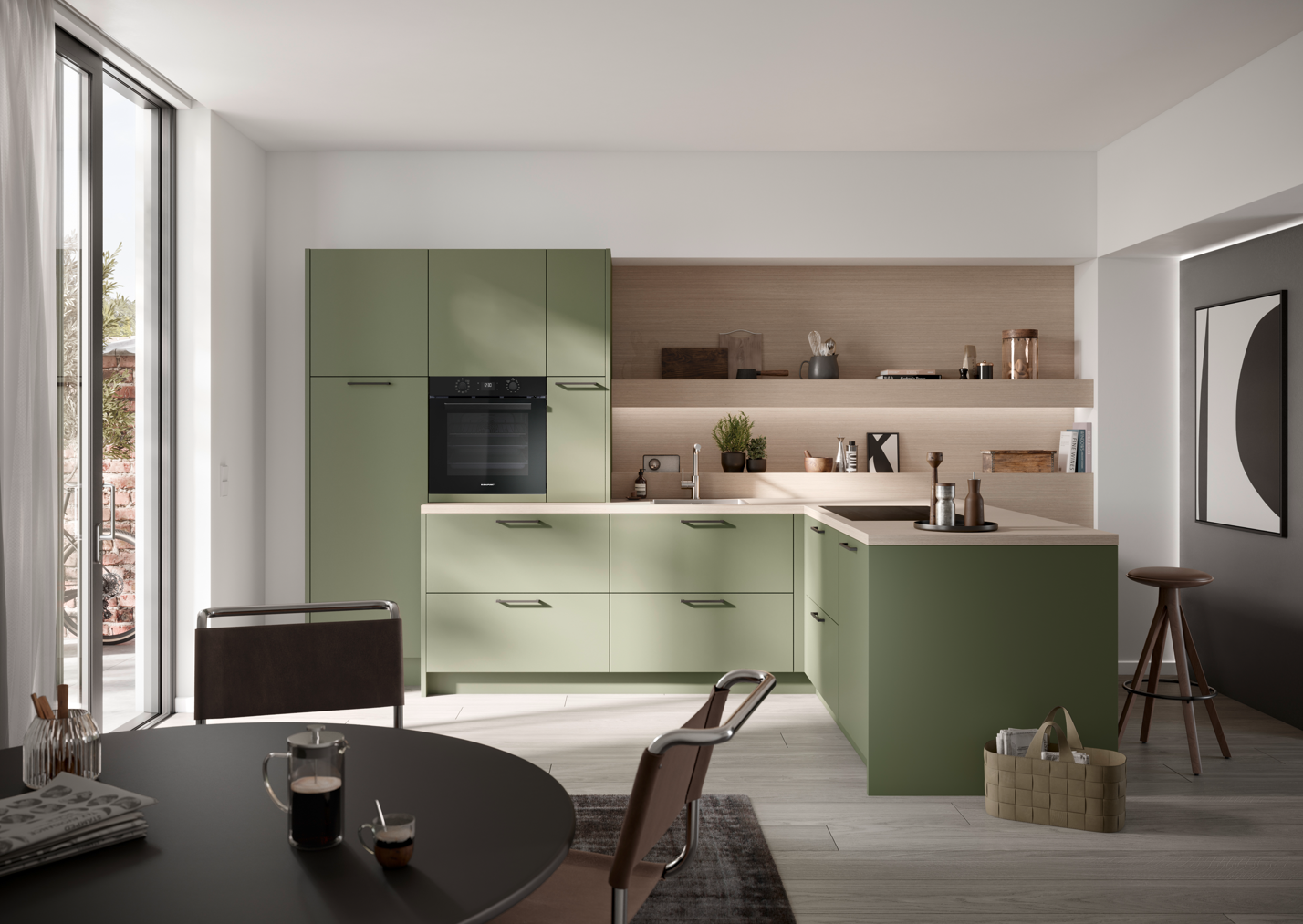
Drawer Systems for Better Accessibility
Traditional cabinet systems often limit visibility and accessibility. Modern drawer-based storage significantly improves usability by allowing full access to stored items.
Benefits include:
- Clear visibility of stored contents
- Easy access without bending or reaching deep into cabinets
- Better organization of utensils, groceries, and cookware
High-quality drawer systems, such as those used in modular kitchen design, improve everyday efficiency and make better use of available space.
Optimizing Corner and Hard-to-Reach Areas
Corner spaces are often underutilized in traditional kitchen layouts. With the right storage solutions, these areas can become highly functional.
Effective solutions include:
- Corner pull-out systems
- Rotating carousels for deep storage access
- Concealed compartments for less frequently used items
These systems help maximize storage capacity without increasing the kitchen footprint.
Using Vertical Space Efficiently
Vertical storage is one of the most effective ways to increase kitchen capacity without expanding floor space.
Key approaches include:
- Full-height pantry units for bulk storage
- Wall-mounted cabinets for lighter or less frequently used items
- Internal organizers that improve stacking efficiency
This approach ensures every level of the kitchen contributes to overall storage functionality.
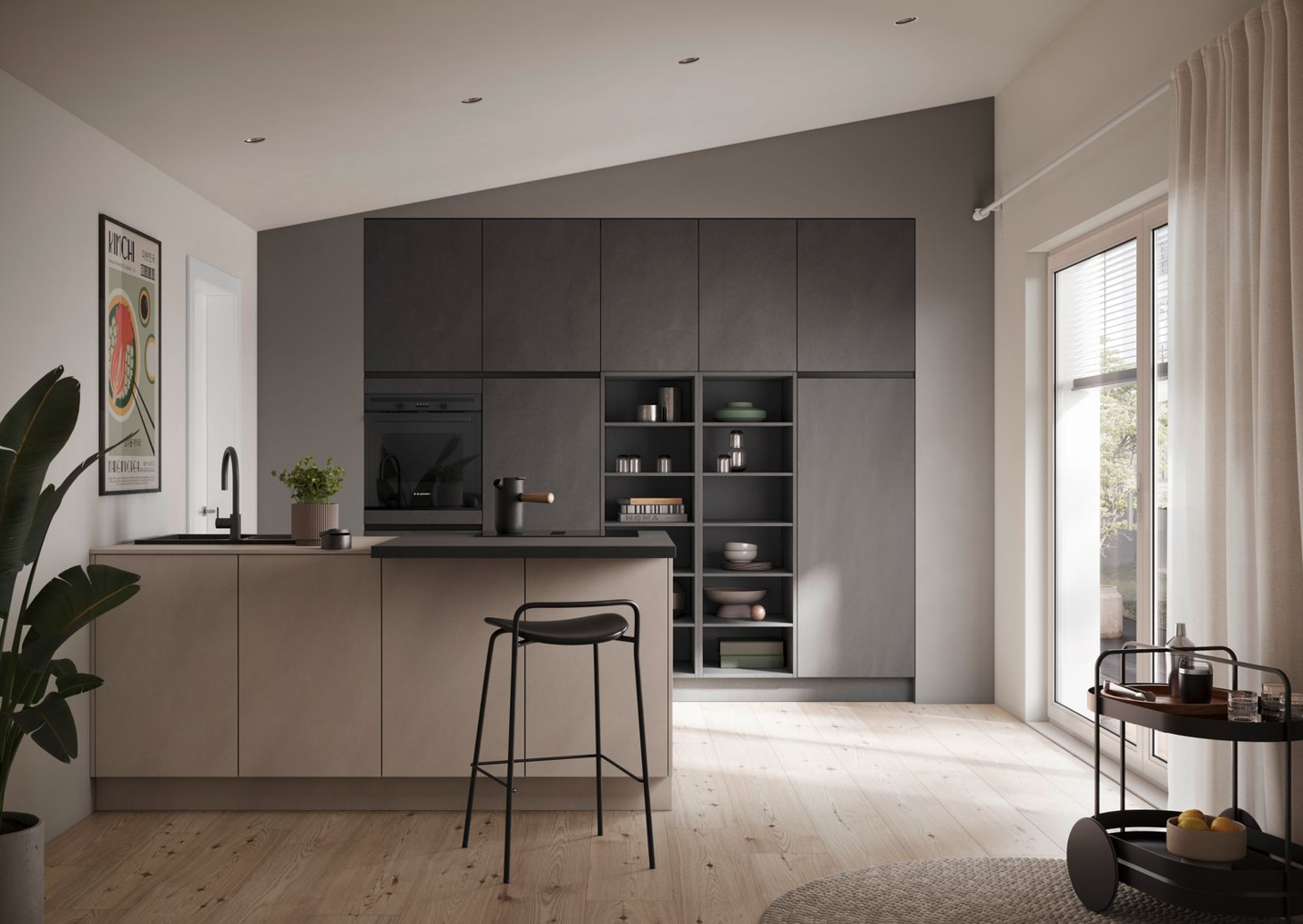
Integrating Smart Storage Accessories
Modern kitchen systems often include integrated accessories that improve organization and efficiency.
Useful solutions include:
- Drawer dividers for cutlery and tools
- Dedicated spice and bottle organizers
- Under-sink storage systems for cleaning essentials
These elements help maintain order while improving day-to-day usability.
Designing for Comfort and Ergonomics
Storage design should prioritize ease of use as much as capacity. A well-designed kitchen reduces unnecessary strain and supports natural movement.
Key ergonomic considerations include:
- Positioning frequently used items at waist height
- Using smooth, soft-close drawer systems
- Avoiding excessive bending or stretching during use
Ergonomic planning ensures that the kitchen remains comfortable and practical for daily use.
The Role of Intelligent Kitchen Systems
Modern modular kitchens integrate storage systems that are designed for efficiency, flexibility, and long-term usability. Well-planned storage does not rely on increasing capacity alone – it focuses on improving accessibility, organization, and workflow.
By combining structured layouts, intelligent drawer systems, and well-designed storage accessories, a kitchen can achieve high functionality without unnecessary complexity. A well planned kitchen is ultimately one that feels intuitive to use, visually organized, and efficient in every detail.