What Makes a Kitchen Truly Premium? Beyond Just Materials and Finishes
When people think of a premium kitchen, the focus often shifts immediately to finishes, colours, and countertop materials. While these elements contribute to visual appeal, they only represent a small part of what defines true kitchen quality.
A truly premium kitchen is not defined by appearance alone, but by how it performs, how consistently it functions, and how well it supports everyday living over time.
Engineering as the Foundation
Engineering is the core of a well-designed kitchen. It ensures that every component functions smoothly and reliably over years of use.
Key engineering principles include:
- Soft-close systems designed for repeated daily cycles
- Structural stability across cabinets, joints, and fittings
- Hardware systems tested for long-term movement and load performance
- Consistent alignment and precision in door and drawer operation
A kitchen built with strong engineering is not only precise at installation, but continues to maintain that precision over time.
Functionality That Supports Everyday Living
A premium kitchen is designed around real usage patterns, not just aesthetics. This includes:
- Clearly defined preparation, cooking, and cleaning zones
- Logical placement of appliances within the workflow
- Storage designed according to frequency of use and accessibility
When functionality is considered from the outset, the kitchen becomes intuitive, efficient, and effortless to use.
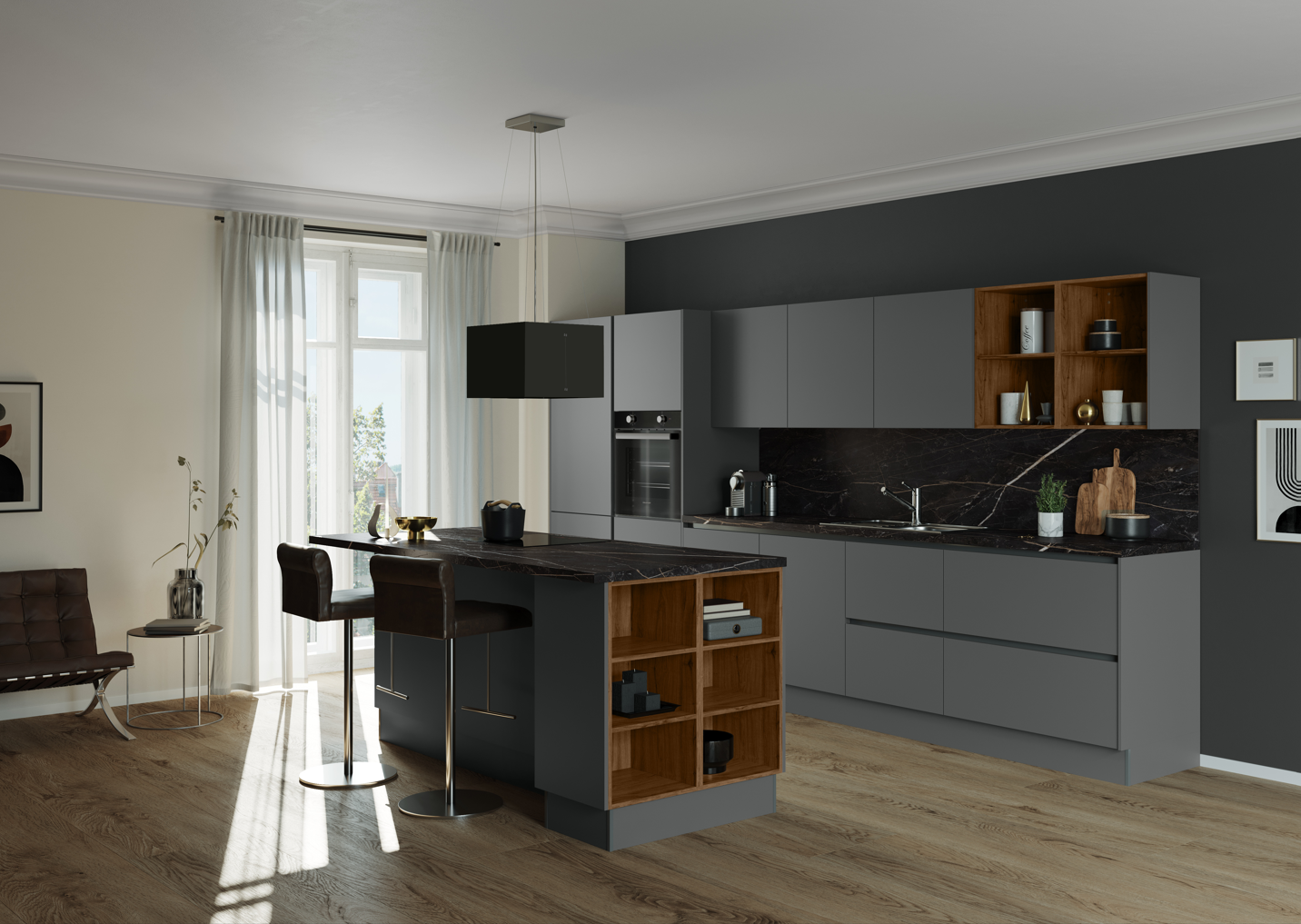
Ergonomic Kitchen Design
Ergonomics plays a critical role in overall kitchen performance and user comfort. A well-planned kitchen reduces unnecessary strain and supports natural movement through:
- Optimised working heights for different tasks
- Accessible storage positioning for daily essentials
- Reduced need for bending, stretching, or excessive reaching
These details ensure long-term comfort and ease of use.
Materials as Part of a System
While materials contribute to appearance and feel, they must be considered as part of a wider system rather than in isolation.
High-quality kitchen systems typically use:
- Engineered boards designed for structural stability
- Surface materials selected for long-term performance and ease of maintenance
- Finishes designed to retain their appearance under regular use
However, materials alone do not define quality. It is the combination of materials, engineering, and design that creates a lasting kitchen system.
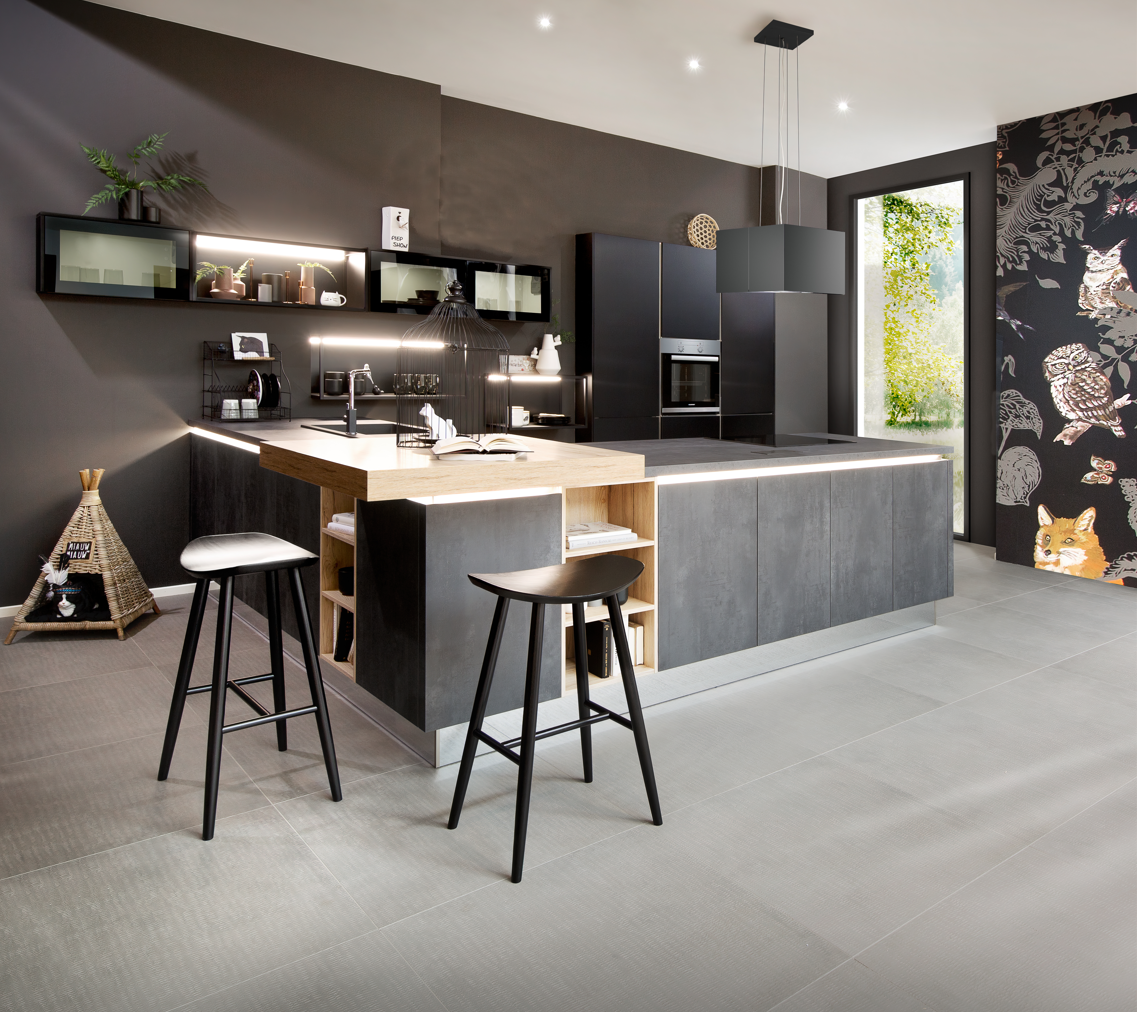
Consistency Over Time
One of the clearest indicators of quality is how a kitchen performs over time. This includes:
- Smooth and stable drawer movement even after years of use
- Consistent door alignment and hinge performance
- Retention of surface quality under daily handling
This level of consistency is achieved through precision manufacturing, tested hardware systems, and integrated design engineering.
The Bigger Picture
A truly well-designed kitchen is not defined by visual impact alone, but by how effectively all its components work together as a complete system.
It is the integration of engineering, functionality, ergonomics, and material quality that creates a kitchen capable of delivering consistent performance over time.
Ultimately, what defines a high-quality kitchen is not how it looks on day one — but how intelligently it continues to function every day after.