Why German Kitchen Engineering Stands Out Globally
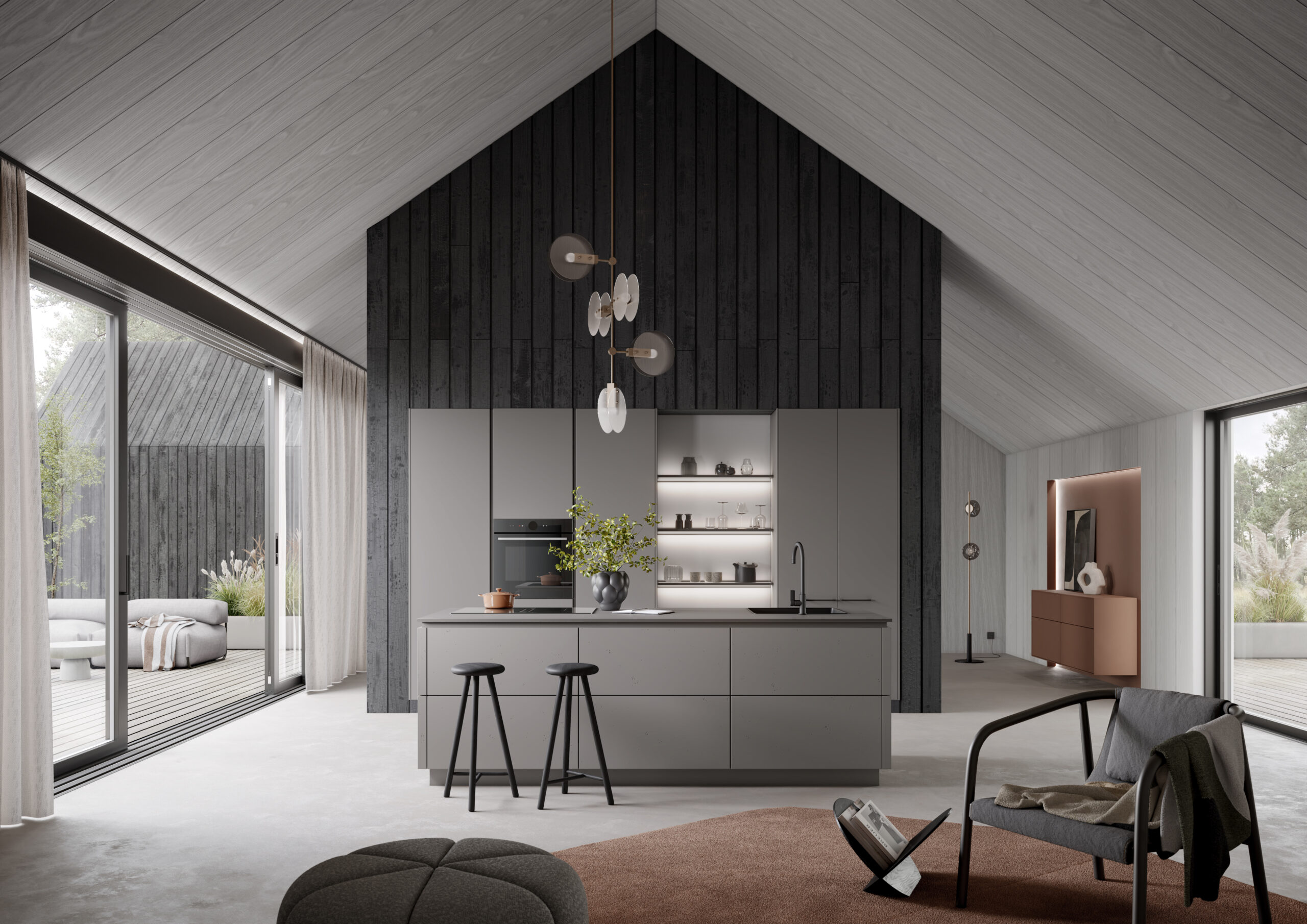
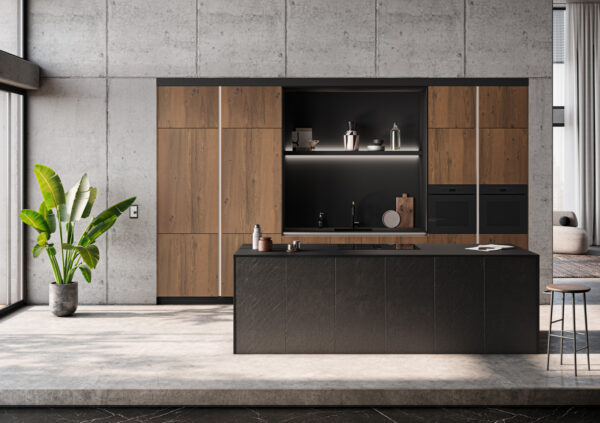
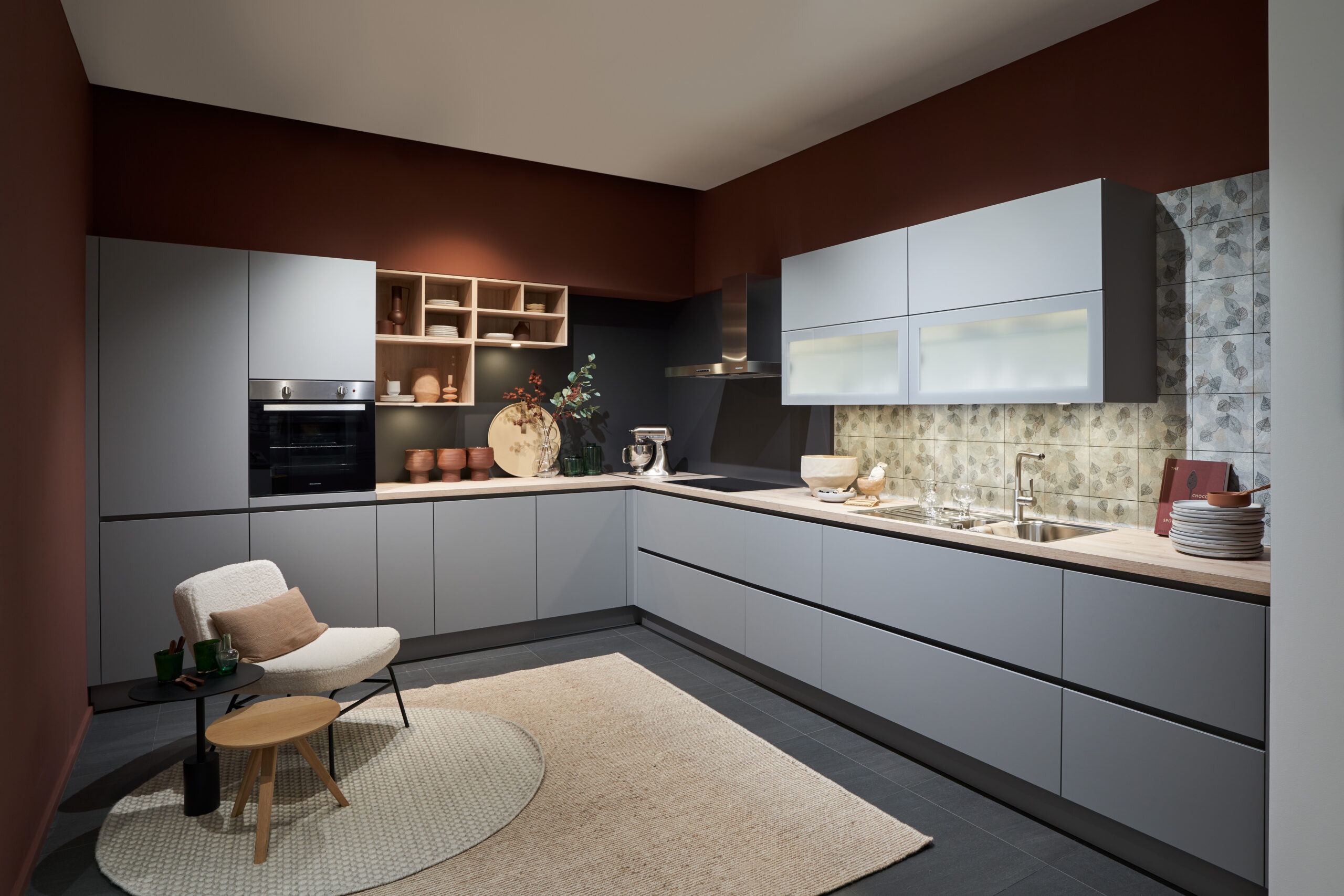
German kitchen engineering is widely recognized for its precision, consistency, and high manufacturing standards. Across the global kitchen industry, it represents a benchmark for quality driven by advanced engineering, structured production processes, and a strong focus on functional design.
Rather than prioritizing aesthetics alone, German kitchens are developed to deliver long-term performance, reliability, and practical usability.
Brands such as Häcker demonstrate this approach through precision manufacturing and system based kitchen design that combines structure, functionality, and refined aesthetics.
Precision Engineering in Every Detail
At the core of German kitchen manufacturing is precision engineering. Every component is designed and produced with strict tolerances to ensure accuracy and consistency during installation and use.
Key characteristics include:
- High-precision manufacturing processes
- Accurate component alignment across systems
- Consistent quality across production batches
- Long-term structural stability
This approach ensures that all components work together seamlessly as part of a fully integrated kitchen system.
Functionality-Driven Design
German kitchen design places strong emphasis on functionality and usability. Every element is considered in terms of how it contributes to daily workflow and efficiency.
Key design principles include:
- Ergonomic layout planning
- Efficient storage systems
- Smooth-operating drawer and hinge mechanisms
- Integrated appliance compatibility
- Clean, structured design language
This results in kitchens that are intuitive to use and designed to support everyday living.
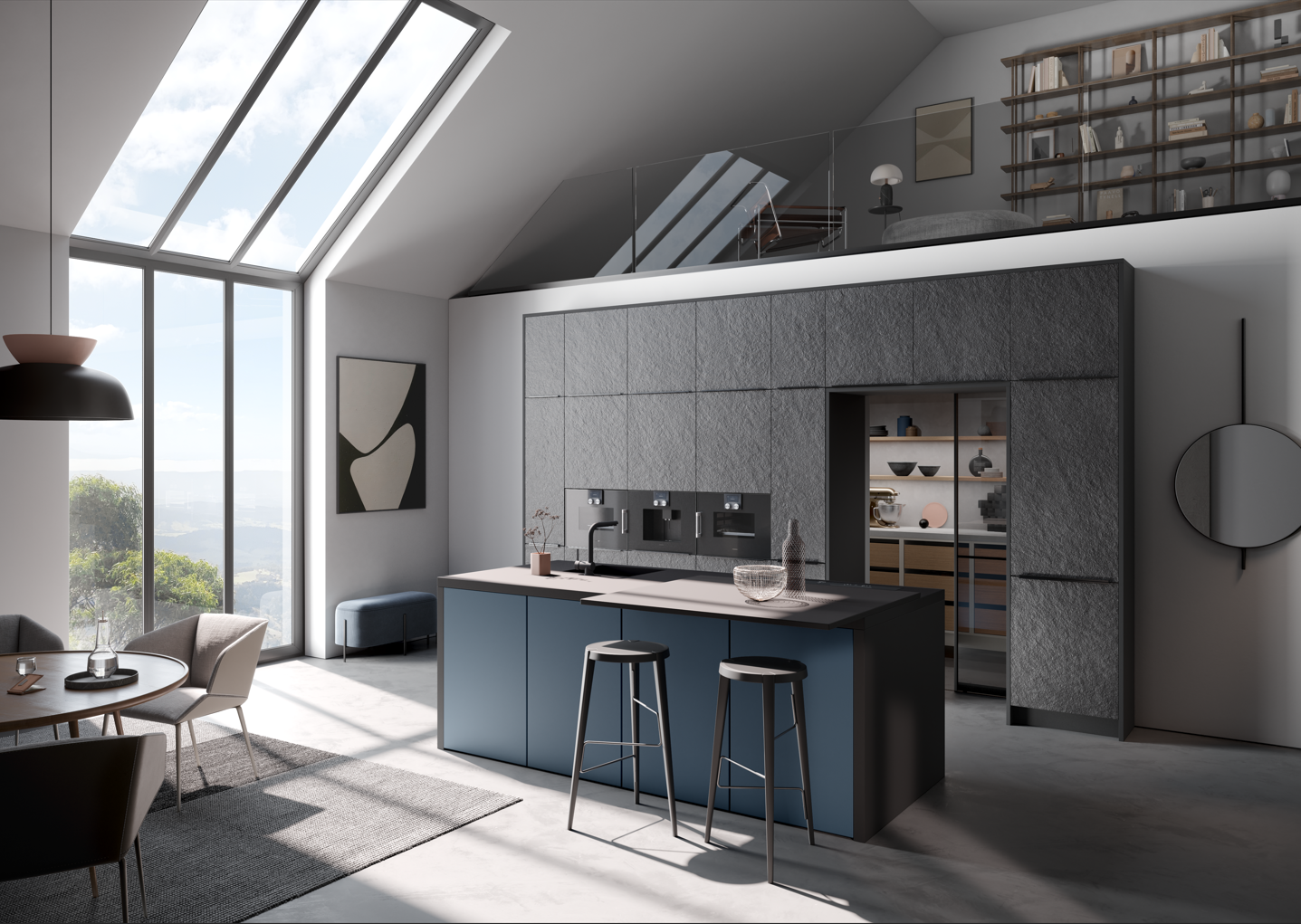
European Manufacturing Standards
German kitchen production follows strict European quality and safety standards throughout the manufacturing process.
This includes:
- Certified material selection
- Structured quality control processes
- Precision assembly methods
- Standardized testing procedures
These systems ensure consistent quality across all stages of production.
Advanced Manufacturing Processes
Modern German kitchen production combines automation with skilled craftsmanship. This hybrid approach ensures both efficiency and precision while maintaining consistent output quality.
Key advantages include:
- Controlled production accuracy
- Reliable system integration
- Repeatable manufacturing standards
- High-quality component finishing
The result is a kitchen system built for consistency and long-term reliability.
Engineered for Everyday Use
German kitchens are designed to support continuous daily use while maintaining structural integrity and visual consistency over time.
Key engineering considerations include:
- Stable cabinet construction systems
- High-quality surface materials
- Precision-engineered hardware
- Durable mechanical components
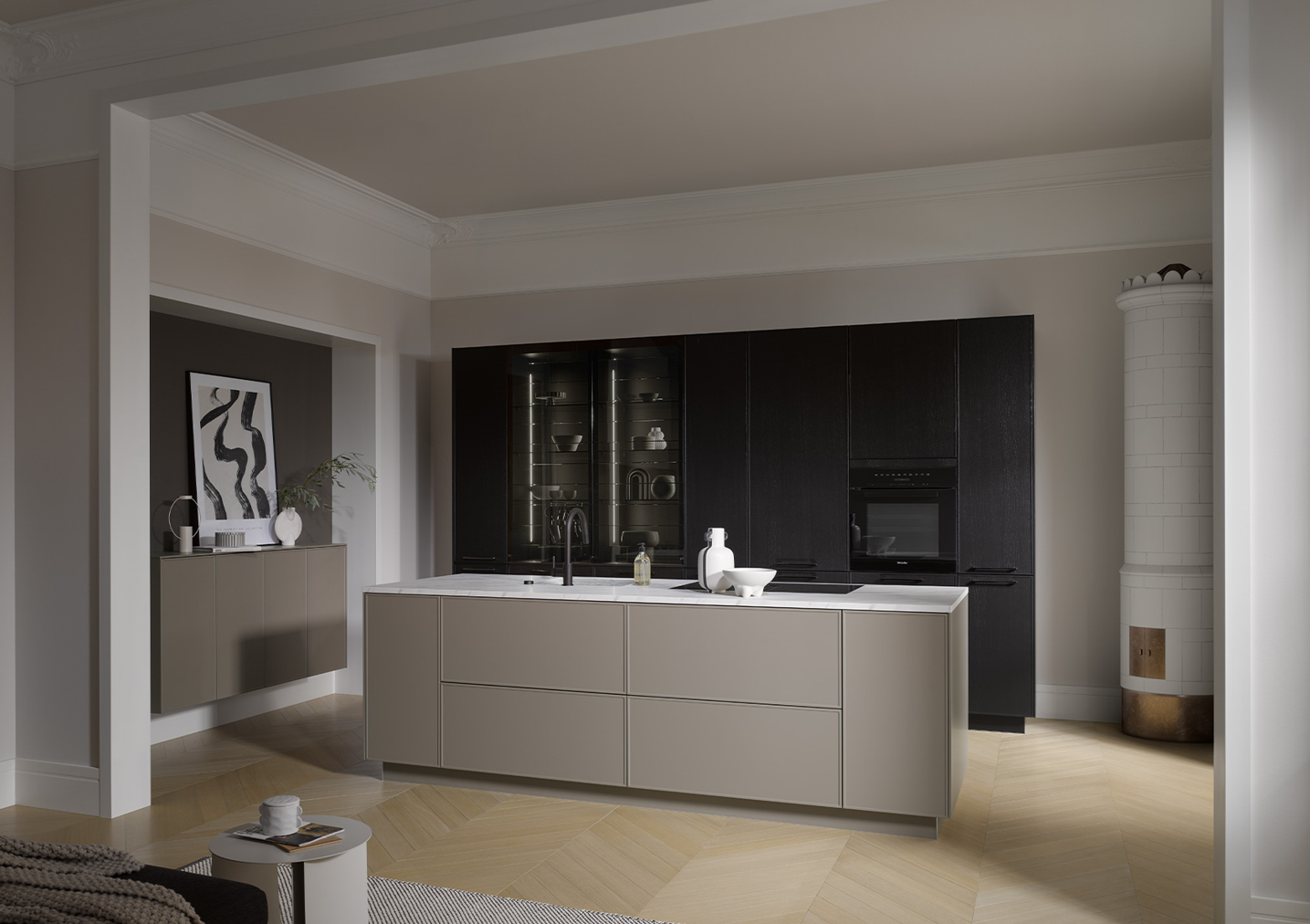
Häcker further strengthens this approach through systems such as PerfectSense surfaces, PuResist moisture-resistant edging, and Designer Carcase construction, all of which contribute to refined build quality and long-term performance.
Innovation with Purpose
Innovation in German kitchen design is focused on improving usability, efficiency, and integration rather than short-term trends.
Examples include:
- Integrated lighting systems
- Advanced storage solutions
- Slim-profile drawer systems such as SlimLine (SLD)
- Engineered surface technologies
- Low-emission material systems such as PurEmission
These innovations are developed to improve how kitchens function in everyday environments.
Global Trust in German Kitchens
German kitchen systems are widely used in residential and professional projects across global markets due to their consistency and engineering standards.
Key reasons include:
- Structured manufacturing systems
- High precision engineering
- Long-term functional reliability
- System-based modular design approach
The Value of German Engineering
German kitchen engineering represents a structured approach to design and manufacturing, where performance and precision are prioritized at every stage.
The result is a kitchen system that combines functionality, durability, and design consistency – creating spaces that remain practical and refined over time.